

Known for its vibrant green colour and its intense taste, matcha isn't just a simple tea, it's a 'superfood' with many virtues. Rich in antioxidants, natural caffeine and L-theanine, it boosts energy without coffee's crash effect. But be careful: between the proven benefits and the marketing myths, OhMatchaa! tells you everything..

The benefits of matcha proven by science
Matcha ticks a lot of boxes when it comes to benefits.
1. Matcha is rich in antioxidants, especially EGCG
Matcha is one of the teas most concentrated in catechins, a family of powerful, natural antioxidants. EGCG (epigallocatechin gallate) is recognised for its role in protecting cells against oxidative stress. It's a valuable ally in fighting the effects of age and pollution.
2. Matcha contains caffeine: a boost without the crash
Yes, matcha contains caffeine. Thanks to the presence of L-theanine, this stimulation is gentler, steadier, with no sharp spike or energy drop. Ideal for staying focused, sharp and alert… without coffee's jittery effect.
3. L-theanine for a zen matcha focus
L-theanine, an amino acid naturally present in matcha, acts as a mental balancer. It moderates the effects of caffeine and supports a state of calm alertness. The result: a clearer mind, less tension, more fluid thinking.
4. Matcha supports fat oxidation and the metabolism
Studies have shown that catechins combined with caffeine can stimulate thermogenesis, meaning the body's energy expenditure. This may help burn slightly more calories at rest, as part of an active lifestyle.
5. Matcha, a potential ally for the heart
Drunk regularly, green tea (and therefore matcha) is linked to better cardiovascular health in several observational studies. The antioxidants it contains could help reduce the oxidation of LDL cholesterol, a factor involved in heart disease.
6. Matcha helps regulate blood sugar
Some research suggests that matcha's catechins could improve insulin sensitivity and contribute to better blood sugar regulation, particularly after meals. It's not a treatment, but within a balanced diet, matcha can be a little extra to help stabilise energy throughout the day.
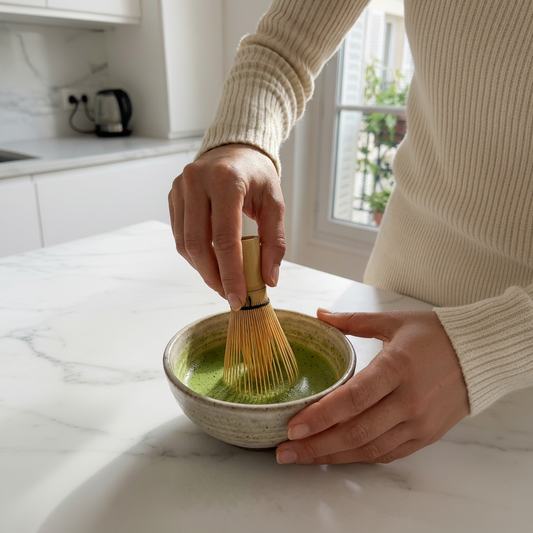
Fancy making this matcha at home?
Our Ceremonial Matcha, hand-harvested in Japan, is mild and free of bitterness.
Discover our Ceremonial Matcha →7. Promising effects on cognitive health
Thanks to its unique combination of caffeine and L-theanine, matcha is being studied for its effects on cognitive functions: memory, attention, processing speed. Some studies suggest a positive impact, particularly in older people.
The benefits of matcha based on popular beliefs (to take with a pinch of salt)
Matcha sparks the imagination, and some almost credit it with magical powers. But between anecdotes, traditions and marketing exaggerations, not all the benefits mentioned rest on solid evidence. Here are the ones you often hear… but that we can't (yet) claim scientifically.

1. Does matcha really help you lose weight? The nuanced truth
The idea that matcha makes you "lose weight" is probably the most widespread claim, and the most simplistic. Yes, some of matcha's molecules (such as catechins and caffeine) are studied for their effect on energy expenditure. But no, matcha doesn't make you "lose weight" on its own. It can support an active lifestyle, but it replaces neither a balanced diet nor physical activity.
2. Matcha against stress? Not really.
Matcha's caffeine + L-theanine duo is often presented as a perfect balance between stimulation and relaxation. And it's true that it can bring a sense of calm. But be careful: this doesn't replace proper stress management, nor does it constitute a validated medical effect. Here are a few misconceptions to clear up:
- Matcha doesn't replace the stress management techniques recognised by health authorities
- Its effects vary from person to person
- Caffeine sensitivity can offset the calming effects in some individuals
- It doesn't treat diagnosed anxiety disorders
3. Does matcha boost long-term memory?
Research is looking into matcha's impact on cognitive function, particularly thanks to caffeine and antioxidants. But for now, no solid evidence allows us to claim that it lastingly improves memory or that it has a preventive effect against cognitive decline.
4. Does matcha regulate blood sugar or cholesterol?
Studies are exploring the role of catechins in blood sugar regulation or reducing LDL (bad cholesterol). The results are interesting, but still insufficient to validate a health claim. For now, these are leads, not certainties.
New to matcha?
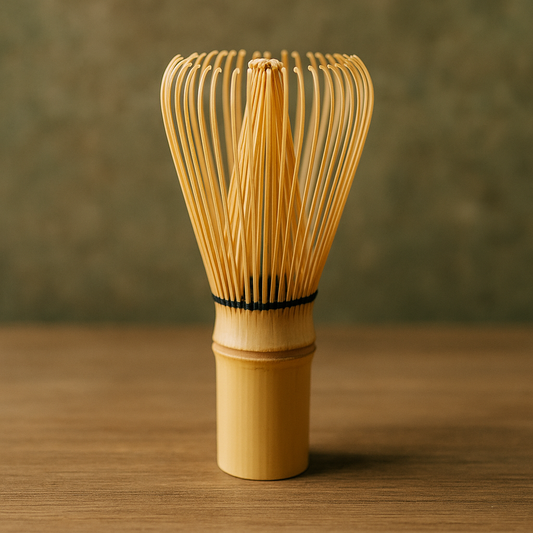
The Matcha Kit brings together everything you need to get started: traditional powder, whisk and bowl.
Use our Matcha Kit →5. Does matcha protect the heart? Yes… but not officially.
Some credit matcha with protective effects on the heart, drawing on the antioxidant properties of green tea. It's true there are promising observational studies. But no validated health claim allows us to say that matcha protects the cardiovascular system.
6. Matcha, a boost for immunity? Not proven.
You hear that matcha "strengthens immunity". In reality, no scientific evidence allows us to claim this with certainty. The antioxidants it contains can contribute to a better overall lifestyle, but don't actively stimulate the immune system.
7. Does matcha aid digestion? Yes and no
Matcha doesn't contain any active compounds specifically recognised for improving transit or digestion. Yes, it contains fibre and is fairly gentle on the stomach, but no study proves this yet.
9. Does matcha make your skin more beautiful? It's complicated
The link between antioxidants and skin quality is often mentioned. A diet rich in antioxidants can contribute to a better complexion. But be careful: drinking matcha will never replace a proper skincare routine.
10. Does matcha affect hormones? No reliable evidence.
Some articles claim that matcha could regulate hormones (thyroid, stress, etc.). In practice, no clinical study allows us to confirm this.
How to maximise the benefits of matcha in your daily routine?
To make the most of matcha's proven benefits, a few practical tips are in order:
- Go for a ceremonial-grade matcha, richer in beneficial nutrients.
- Ideally drink it in the morning or early afternoon to avoid sleep disruption linked to its caffeine content.
- One cup a day is enough to enjoy its properties without any risk of caffeine overload.