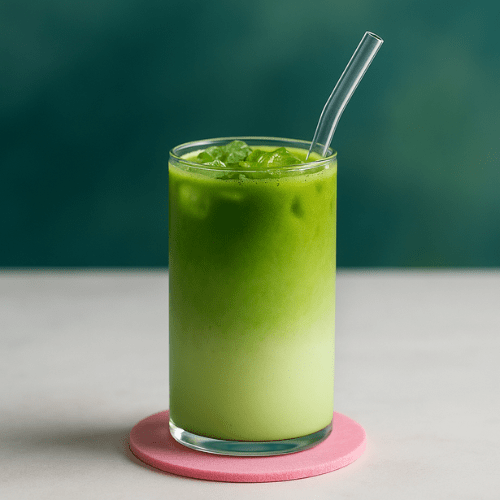

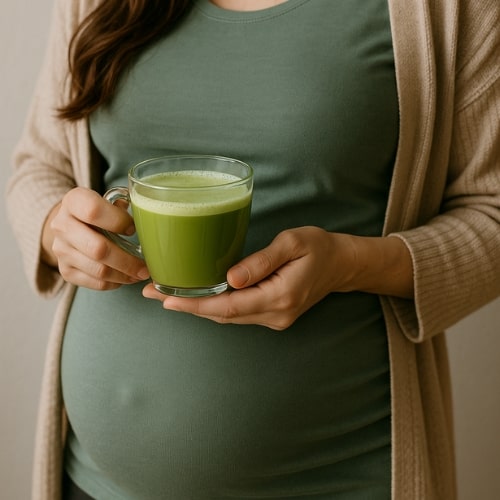
Drinking matcha during pregnancy is allowed, but it calls for some adjustments.
Matcha in pregnancy: allowed, but in controlled doses (caffeine)
Ceremonial-grade matcha contains between 35 and 70 mg of caffeine per cup, depending on how much powder you use (between 1 and 1.5 grams). A standard cup of coffee contains 80 to 100 mg of caffeine.
Official recommendations, from ANSES and the World Health Organization, advise pregnant women not to exceed 200 to 300 mg of caffeine per day. This threshold aims to limit the risk of foetal growth restriction or miscarriage linked to an excess of stimulants.
A daily intake of 1 cup of matcha is generally safe, as long as you limit other sources of caffeine such as coffee, black tea, chocolate or soft drinks.
Caffeine affects women differently: some may feel jittery or nauseous, especially in early pregnancy. It's recommended not to drink matcha on an empty stomach and to consult a healthcare professional if needed.

Benefits, on condition of moderation
Matcha brings many benefits to a pregnant woman.
Antioxidants: cellular protection
Matcha is rich in catechins and EGCG, known for their antioxidant properties. These molecules help limit oxidative stress, a factor linked to some pregnancy complications. In excess, however, they can reduce the absorption of folic acid, which is essential for the development of the baby's nervous system.
Want to make this matcha at home?
Our Ceremonial Matcha, hand-harvested in Japan, is smooth and free of bitterness.
Discover our Ceremonial Matcha →L-theanine: a calming effect without drowsiness
The L-theanine in matcha has a soothing effect on the nervous system. It helps reduce stress without causing an energy dip. This profile is useful for pregnant women who are sensitive to the jitters that come with coffee.
Chlorophyll: digestive support and a gentle detox
OhMatchaa! matcha is rich in chlorophyll, a plant pigment that supports the elimination of toxins. It can also help improve digestion, which is often sluggish during pregnancy.
Satiety: curbing sweet cravings
Matcha creates a mild feeling of fullness, especially when drunk with a hot liquid. This can help reduce cravings, which are common during pregnancy.
Risks to watch during pregnancy
Caffeine: a dose not to exceed
Matcha contains caffeine: between 35 and 70 mg per cup depending on the dose. An excess can pose risks to the foetus, in particular low birth weight or an increased risk of miscarriage.
Health authorities recommend not exceeding 200 to 300 mg of caffeine per day during pregnancy. It's essential to limit other sources: coffee, tea, chocolate, energy drinks.
Nutrients: interactions to know about
Catechins can limit the absorption of non-heme iron (from plants) and of folic acid, two key elements during pregnancy. It's best not to drink matcha at the same time as an iron-rich meal (lentils, red meat).

New to matcha?
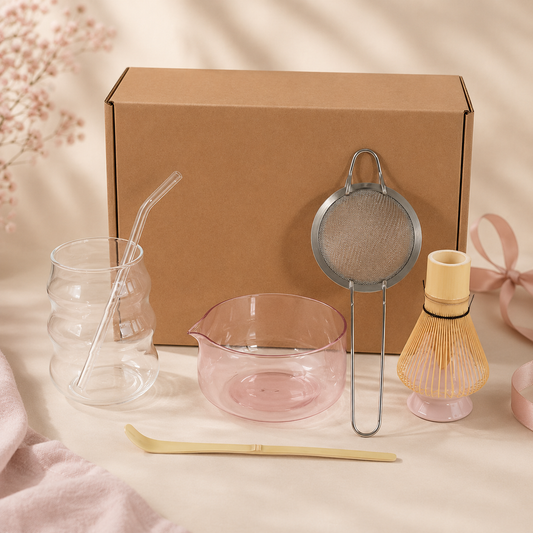
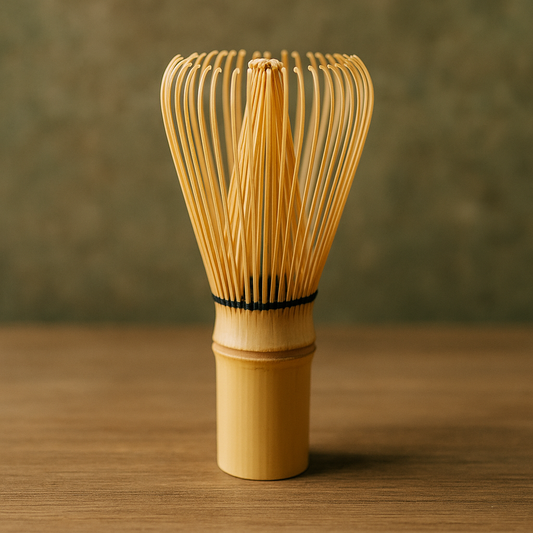
The Matcha Kit brings together everything you need to get started: traditional powder, whisk and bowl.
Use our Matcha Kit →Our tips for safe consumption
- Limit yourself to 1 cup a day, or about 1 to 1.5 g of matcha powder, to stay below the 200 to 300 mg caffeine threshold recommended during pregnancy.
- Avoid drinking matcha on an empty stomach: it can cause nausea or digestive discomfort.
- Space out your matcha by at least 1 hour before or after iron or folic acid supplements, to avoid any interaction with the absorption of these nutrients.
- Choose an organic, traceable matcha, with certificates of analysis guaranteeing the absence of heavy metals such as lead. Check the origin (Japanese prefecture, growing method).
- Go for simple, easy-to-digest recipes: latte with plant milk, caffeine-free smoothie, homemade madeleines. Avoid blends containing other sources of caffeine.
Caffeine-free alternatives during pregnancy
Some drinks can replace matcha temporarily if you want to give up caffeine, while keeping a warm, comforting moment.
| Drink | Caffeine content | Benefits | Taste / use |
|---|---|---|---|
| Green rooibos | 0 mg | Antioxidants, no stimulant effect | Light, neutral, ideal as an infusion |
| Raspberry leaf infusion | 0 mg | Tones the uterus in late pregnancy (3rd trimester) | Fruity, recommended from week 34 |
| Chicory | 0 mg | Aids digestion, effect close to coffee | Gentle bitterness, a good latte substitute |
| Ginger-lemon herbal tea | 0 mg | Natural anti-nausea, rich in vitamin C | Both refreshing and warming |