
You may have already wondered why 30 tiny grams of matcha sometimes cost as much as a kilo of coffee. Behind this ultra-fine green powder lies genuine know-how: weeks of shade growing, a hand harvest leaf by leaf, slow stone-grinding and strict quality checks. Nothing like an ordinary tea picked by machine and sold loose.
1. Slow, artisanal growing, the way we do it at OhMatchaa!
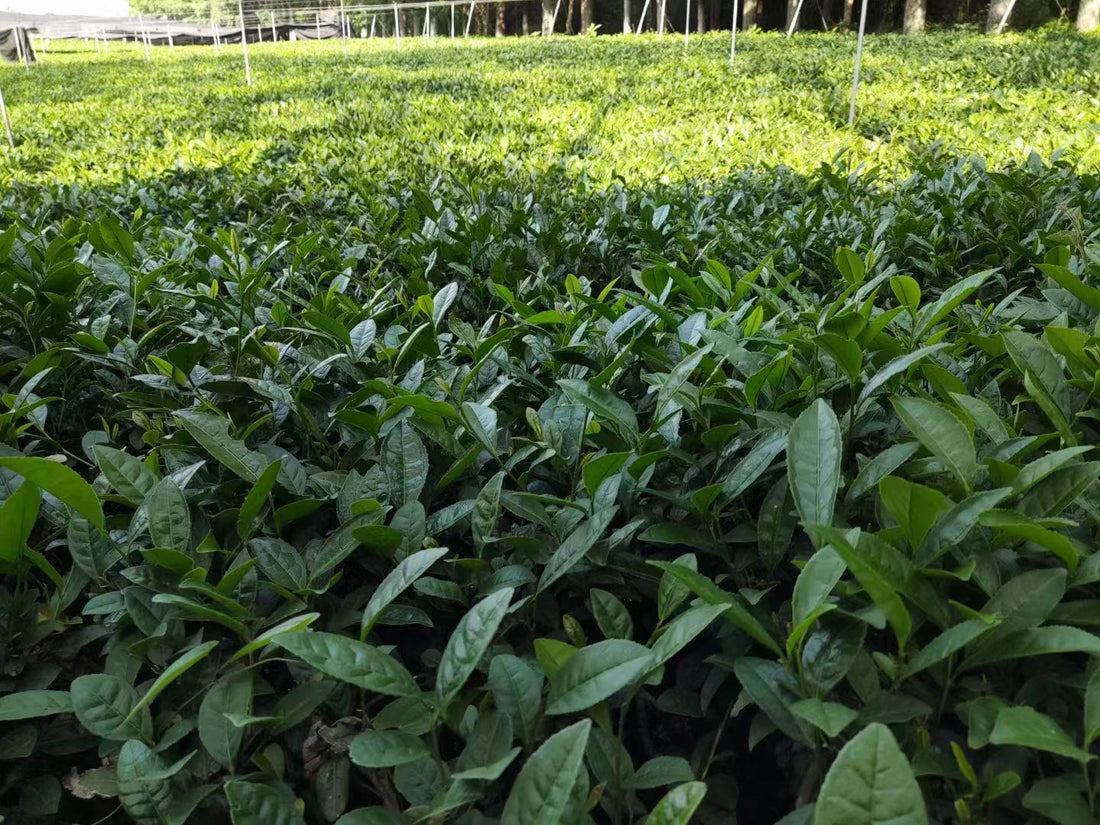
Matcha doesn't grow under the beating sun. Three to four weeks before harvest, the tea bushes are covered with black nets. The result: the plant produces more chlorophyll and L-theanine (a natural calming compound), which gives matcha its vivid colour and its distinctive umami taste. But this process also reduces photosynthesis… and so the yield.
It's a demanding practice we apply to every one of our batches at OhMatchaa!, because without shading there is no matcha worthy of the name.
2. Hand harvesting, leaves selected by hand
At OhMatchaa!, our stance is clear: only the most tender leaves from the top make it into our ceremonial grades. They're picked by hand, one by one. The lower leaves? Too fibrous, so we set them aside or keep them for culinary matcha. This hand-sorting, far more costly than machine harvesting, guarantees a fine texture, a dense foam and zero rough taste in your cup.

Want to make this matcha at home?
Our Ceremonial Matcha, hand-harvested in Japan, is smooth and free of bitterness.
Discover our Ceremonial Matcha →3. An ultra-precise production process
After harvest, the leaves go through several stages. They're briefly steamed to stop oxidation (as with sencha), then slowly dried. The stems and veins are removed to keep only the tencha, the base of true matcha.
Then comes the slowest step: grinding. It's this process that gives the ultra-fine texture, essential for creating that perfect foam when you prepare it.
4. Origin, terroir and traceability: our commitment
Matcha is also a matter of place. The terroirs of Uji and Nishio, in Japan, are world references for the quality of their tencha. As with an appellation wine, the soil, the climate and the growing method change everything. Add to that the certifications (organic, pesticide-free) and the quality tests required to export to Europe. All our batches at OhMatchaa! are traceable, tested and sourced from artisanal cooperatives: no generic powder.
New to matcha?
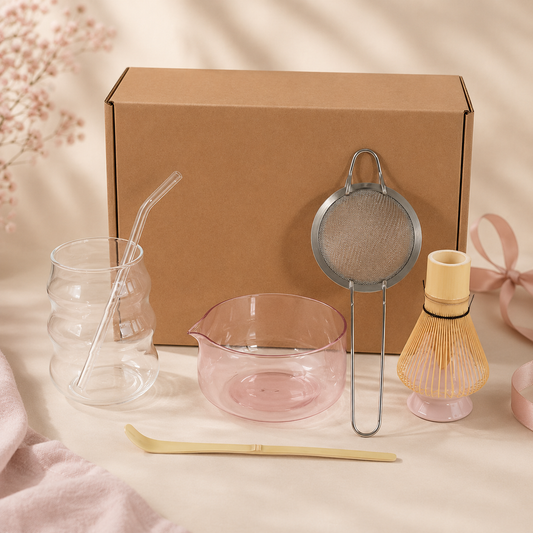
The Matcha Kit brings together everything you need to get started: traditional powder, whisk and bowl.
Use our Matcha Kit →5. Quality control and premium storage
A premium matcha also has to meet strict standards. Every batch we import at OhMatchaa! is tested for heavy metals, pesticides and mycotoxins, in line with European requirements. These lab analyses are expensive, but they're non-negotiable to guarantee a pure, safe and compliant product.
As for storage, matcha is sensitive to air, light and humidity, which degrade its benefits. That's why we pack our powders under a protective atmosphere, in opaque airtight pouches. This care guarantees the powder's freshness all the way to your cup, but it also involves logistics and technical costs far higher than an ordinary loose tea.
6. Rarity and positioning: an exceptional product
At OhMatchaa!, we don't sell a simple tea: we offer a complete experience, a ritual, a moment for yourself. Ceremonial matcha, with its production complexity, limited availability and shorter shelf life, is naturally positioned as a premium product.
This rarity means fast stock rotation, a tighter supply chain and a constant commitment to freshness. But it's also what gives matcha its real value: a concentrated, living, high-performing powder, worlds away from standardised products.